



Zhou Qingding's sculpture "Elephant"
Zhou Qingding (1896.4.1-1984.11.12), born in Anren County, Hunan Province, was a modern sculptor and the founder of animal porcelain carving in China. After the establishment of the People's Republic of China, he served as the head of the Sculpture Department at Zhejiang Academy of Fine Arts (later renamed as the head of the Folk Art Department), dedicated to the research, creation, and teaching of animal sculpture, and achieved remarkable achievements. He inherits the tradition of realistic sculpture in France, attaches great importance to imitating nature, emphasizes the expression of animal vitality, strives to have both form and spirit, does not attach too much importance to ornamentation, uses concise and vivid language, is full of interest, and is full of poetic and picturesque charm.

A monkey standing and walking
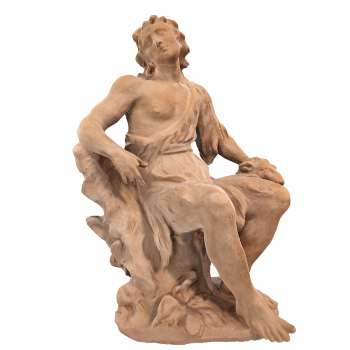
John the Baptist
The artwork created by Giovanni Giuliani is a clay sculpture of John the Baptist sitting in the collection of the Heiligenkr ö tz Monastery. The height is 27.5 centimeters, created in 1733. John the Baptist is an important figure in the New Testament, who prophesied the arrival of Jesus and baptized him in the Jordan River. John the Baptist is depicted sitting with a lamb to his left. The lamb usually represents Jesus in Christian symbolism, as Jesus is known as the "Lamb of God" and was sacrificed for the sins of humanity. Giovanni Giuliani is an Italian sculptor active in Heiligenkreis, Austria.

The Roman Soldiers Fighting the Fire
The Roman soldier fighting the fire depicted a Roman soldier holding a spear, extinguishing a burning house with a bucket of water. This clay sculpture model is now housed in the Heiligenkreis Monastery Museum and later became the prototype for stone sculptures made along the path of the cross. It has a height of 34.5 centimeters and was made between 1740-1745.

The clay sculpture "Dog ū (Mia)" from the prehistoric Jomon period in Japan
Over the years, archaeologists have discovered many different types of clay sculptures - dog ū - dating back to the prehistoric Jomon period in Japan (1400-800 BC). Various forms have been unearthed in northeastern Japan, some sitting, some standing, some with almost no surface decoration, while others, like this example, are known as the "goggles" type, with unique large eyes adorned with colors and complex carved decorations. The popular theory suggests that they are talismans related to health and childbirth, and after use, they are intentionally destroyed and disposed of. They are now collected at the Minneapolis Institute of the Arts.

Popular Models
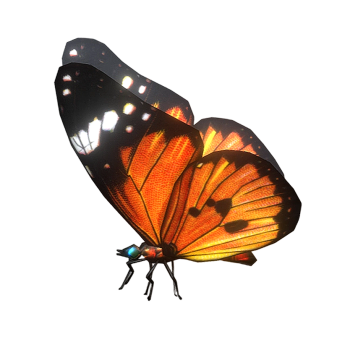
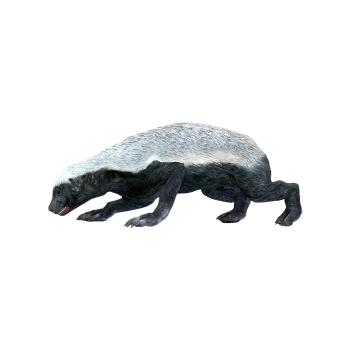
Honey Badger (3D animated model)
192 View
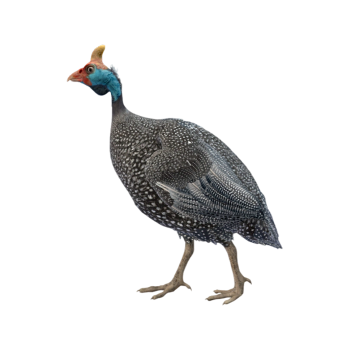
Guinea fowl (3D animated model)
163 View
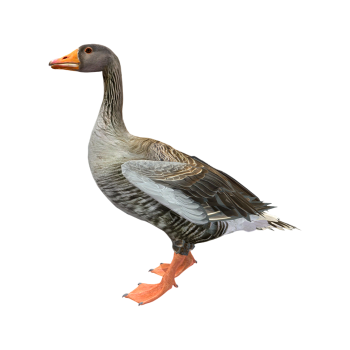
Wild Goose (3D animated model)
185 View
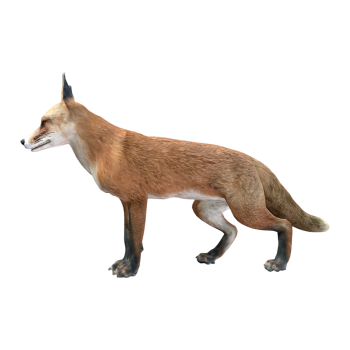
Red Fox (3D animated model)
153 View
Random Model
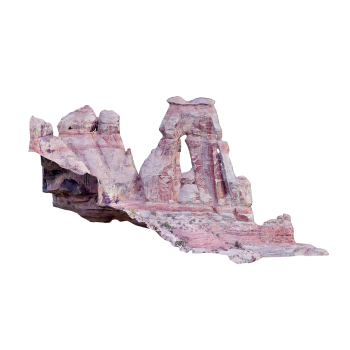
Utah Druid Arch
847 View
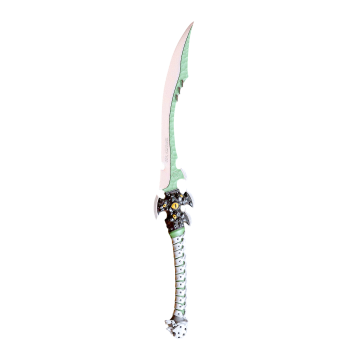
Blade of the Void (3D printable)
703 View

Golf Club 3D Model
874 View

Loader gun pickup truck
830 View

Leopard cub (with 3D animated model)
849 View
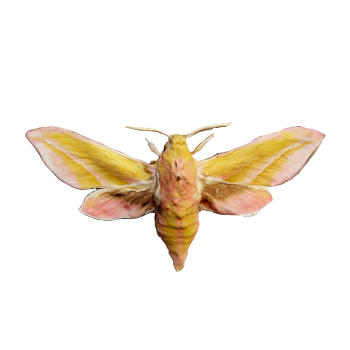
Elephant hawk moth specimen
1148 View

Nephele
1346 View


Frosted square brown sugar bread
908 View

Railway lane signal lights
877 View